Have you ever received a text that simply says “WTV” and wondered what the other person meant? This three-letter abbreviation appears in everyday conversations, social media comments, and private messages. Although it looks simple, its tone can change depending on the situation.
WTV commonly stands for “whatever.” People use it when they don’t have a strong preference, want to show indifference, or feel annoyed about something. Sometimes, it sounds relaxed and friendly. In other conversations, it can come across as dismissive or even slightly rude.
Understanding WTV requires more than knowing its full form. You also need to consider the conversation, the relationship between the people texting, and the message that came before it.
Whether you spotted WTV on Snapchat, TikTok, Instagram, or WhatsApp, this guide explains its meaning, different tones, practical examples, and appropriate responses.
Quick Answer
WTV means “whatever” in texting and online conversations. It’s a casual abbreviation people use to express indifference, flexibility, frustration, or a lack of preference.
For example:
- Person A: “Should we watch a comedy or an action movie?”
- Person B: “WTV, you can choose.”
Here, WTV means the person doesn’t mind either option.
However, consider another conversation:
- Person A: “Why are you still arguing about this?”
- Person B: “WTV.”
In this situation, WTV might express frustration or a desire to end the discussion.
The surrounding conversation determines its actual tone.
Comparison Overview
WTV is closely related to several popular texting abbreviations. However, each expression communicates a slightly different attitude.
| Abbreviation | Full Form | Common Meaning |
| WTV | Whatever | Indifference or flexibility |
| IDC | I Don’t Care | Lack of concern |
| IDK | I Don’t Know | Uncertainty |
| NVM | Never Mind | Canceling or withdrawing a statement |
| TBH | To Be Honest | Introducing an honest opinion |
| FR | For Real | Agreement or emphasis |
| IKR | I Know, Right? | Strong agreement |
| WYD | What You Doing? | Asking what someone is doing |
The main distinction: WTV can communicate that someone has no preference, while IDC more directly expresses a lack of concern. Neither abbreviation automatically reveals someone’s emotions.
Main Differences Between WTV Meaning in Text
Understanding WTV becomes easier when you look at how people use it in different situations. The abbreviation doesn’t always carry the same emotional weight.
WTV Means Whatever
The most common meaning of WTV is “whatever.” It’s a shortened expression that makes texting faster and more casual.
People often use it when they don’t want to choose between options or have no strong opinion about something.
For example:
- “WTV you want is fine with me.”
- “Let’s go wherever, WTV.”
- “WTV happens, we’ll figure it out.”
In these examples, the abbreviation communicates flexibility or acceptance.
WTV Can Express Indifference
Sometimes, people use WTV to show that something doesn’t matter much to them.
For example, imagine your friend asks whether you prefer meeting at a restaurant or a coffee shop. You don’t have a particular preference, so you reply, “WTV works.”
This response suggests that you’re comfortable with either choice.
However, indifference isn’t always positive. If someone uses WTV during a serious conversation, they might be signaling that they no longer want to discuss the subject.
WTV Can Show Frustration
WTV can also carry an irritated or emotionally distant tone.
Imagine two friends disagreeing about a misunderstanding. One person keeps explaining their position while the other feels tired of the discussion.
A short response such as “WTV” might communicate frustration, disappointment, or unwillingness to continue arguing.
The abbreviation doesn’t automatically mean someone is angry. Their previous messages and the overall conversation provide important clues.
WTV Can Sound Dismissive
When someone replies with only “WTV,” the recipient might feel ignored or unimportant.
For example:
- Person A: “I spent hours organizing everything for us.”
- Person B: “WTV.”
This response can sound dismissive because it doesn’t acknowledge the other person’s effort.
Adding context or a more thoughtful response can prevent misunderstandings.
What Does WTV Mean on Social Media?
WTV has become a familiar abbreviation across social media platforms. People use it in comments, captions, direct messages, and casual conversations. Its basic meaning stays the same, but the situation can influence how others interpret it.
WTV Meaning on Snapchat
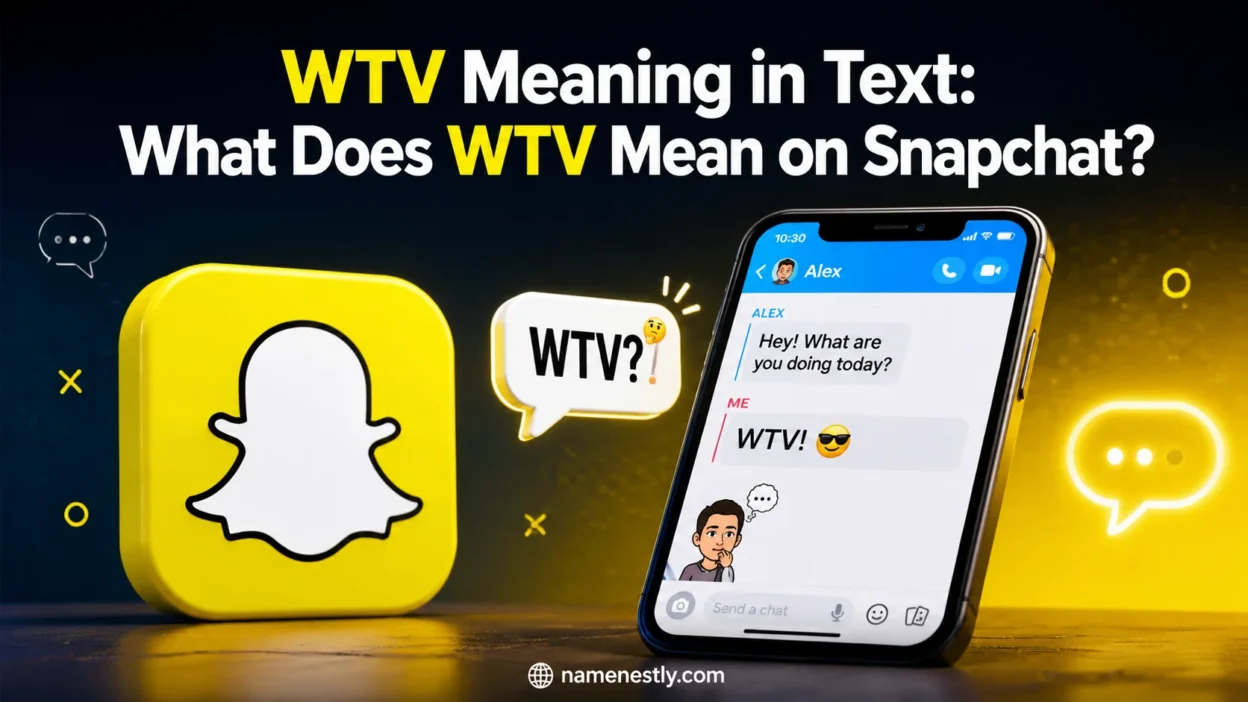
On Snapchat , WTV usually means “whatever.” Friends commonly use it when exchanging quick messages or responding to snaps.
Snapchat conversations often move quickly. Short abbreviations help users communicate without typing complete sentences.
For example:
- Friend A: “Are we meeting after school?”
- Friend B: “WTV, just let me know.”
- Friend A: “Okay, I’ll text you later.”
Here, the person isn’t particularly concerned about the exact arrangement.
However, WTV can sound different during an argument:
- Person A: “You never listen to what I say.”
- Person B: “WTV.”
In this example, the response might suggest irritation or emotional distance.
Snapchat tip: Don’t judge someone’s feelings from one abbreviation. Look at their previous messages and the way they normally communicate.
WTV Meaning on TikTok
On TikTok, users may use WTV in comments, captions, and private messages.
The abbreviation often appears when someone reacts casually to an opinion, trend, or situation.
For example:
- “WTV, I’m still enjoying this trend.”
- “WTV people say, I like this outfit.”
- “WTV, everyone has their own opinion.”
These examples show how someone can use WTV to express independence or indifference toward other people’s opinions.
TikTok comments also use abbreviations to keep reactions short. However, the meaning still depends on the complete sentence.
WTV Meaning on Instagram
On Instagram, WTV commonly appears in direct messages, story replies, and comment sections.
People might use it when discussing plans, responding to suggestions, or expressing an opinion.
Consider these examples:
- “WTV, post whichever picture you like.”
- “WTV, I’m not choosing your outfit.”
- “WTV, that decision is yours.”
The first example sounds flexible. The second might sound playful or slightly annoyed. The third communicates that someone wants the other person to make the decision.
Instagram users also combine WTV with other abbreviations to create shorter responses.
WTV Meaning on WhatsApp
On WhatsApp, WTV is useful in everyday conversations with friends, relatives, and group members.
For example:
- “WTV time works for me.”
- “WTV you decide is fine.”
- “WTV, let’s discuss it tomorrow.”
WhatsApp conversations often include personal discussions and group planning. Therefore, the same abbreviation can communicate either flexibility or frustration.
In a family group, it might simply mean someone doesn’t mind the suggested arrangement. During a disagreement, however, it might sound like they’re ending the discussion.
Different Meanings and Tones of WTV
Although WTV generally means “whatever,” people use it to communicate different attitudes. Understanding these differences helps you avoid misreading someone’s message.
WTV as a Sign of Indifference
Indifference means having little interest or concern about something.
When someone uses WTV this way, they’re telling you that the outcome doesn’t matter much to them.
For example:
Conversation:
- Alex: “Do you want to order Chinese or Italian food?”
- Jamie: “WTV, I’m hungry.”
- Alex: “Let’s get Italian then.”
Jamie doesn’t have a strong preference. They’re leaving the decision to Alex.
Other examples include:
- “WTV color you like is fine.”
- “WTV happens, don’t stress about it.”
- “WTV restaurant you choose works for me.”
- “WTV game you want to play is okay.”
In these situations, WTV sounds relaxed rather than disrespectful.
WTV as Casual Acceptance
Sometimes, WTV communicates that someone accepts another person’s decision.
This usage often appears between friends who don’t need to discuss every small detail.
For example:
- “WTV you decide, I’m good with it.”
- “WTV works for everyone.”
- “WTV plan sounds fine to me.”
However, there’s an important difference between accepting a decision and genuinely liking it.
Someone might accept your suggestion because they don’t want to spend time discussing alternatives. Their response doesn’t necessarily mean they’re excited.
Read More: Wallahi Meaning: What Does Wallahi Mean in Text?
WTV as Frustration or Annoyance
WTV can become a sign of frustration when someone feels tired of repeating themselves.
Imagine a conversation where two people keep disagreeing about the same issue. Eventually, one person responds with WTV because they don’t want another argument.
Example:
- Sam: “I already told you why I changed the plan.”
- Chris: “You never explain anything properly.”
- Sam: “WTV. I’m done arguing.”
Here, WTV carries an irritated tone. The following sentence makes that emotion even clearer.
Common signs that WTV might express annoyance include:
- The person previously sent several frustrated messages.
- They suddenly started giving very short replies.
- They stopped engaging with your questions.
- They used phrases such as “forget it” or “I’m done.”
- The conversation involved a disagreement.
These clues can help you understand the situation, although they don’t prove exactly how someone feels.
WTV as a Dismissive Response
A dismissive response makes another person’s opinion or concern seem unimportant.
WTV can have this effect when someone uses it without acknowledging what the other person said.
For example:
- Person A: “I wanted to explain why that hurt my feelings.”
- Person B: “WTV, do what you want.”
This response sounds dismissive because it doesn’t address the emotional concern.
However, context matters. Someone might use the same abbreviation jokingly with a close friend without causing offense.
Remember: A short message isn’t automatically rude. The relationship, subject, and previous conversation all influence its tone.
WTV Meaning From a Girl
When a girl texts you WTV, she most likely means “whatever.” However, her exact intention depends on the conversation.
Sometimes, she’s simply comfortable letting you make a decision. In other situations, she might feel annoyed or uninterested in continuing a discussion.
Here are some common possibilities.
She doesn’t have a preference.
For example:
- You: “Should we watch a movie or go shopping?”
- Her: “WTV, I’m fine with either.”
She’s telling you that both options work.
She might feel annoyed.
For example:
- You: “Why are you upset?”
- Her: “WTV, it doesn’t matter.”
This response could suggest frustration or disappointment. However, you shouldn’t assume she’s angry without considering the earlier conversation.
She wants to end the discussion.
For example:
- You: “I think we should talk about this again.”
- Her: “WTV, let’s leave it.”
She might not want to continue discussing the subject.
She might be responding playfully.
For example:
- You: “You always choose the same restaurant.”
- Her: “WTV, it’s my favorite!”
Here, the response sounds lighthearted rather than hostile.
The best way to understand her message is to consider the surrounding conversation instead of relying on the abbreviation alone.
WTV Meaning From a Guy
When a guy sends WTV, he usually means “whatever.” He might be expressing flexibility, indifference, or frustration.
The meaning depends on what you’re discussing and how he normally communicates.
Here are a few realistic situations.
He doesn’t care about the choice.
- You: “Which video game should we play?”
- Him: “WTV, pick one.”
This suggests that he’s happy to let you decide.
He feels frustrated.
- You: “Why didn’t you tell me earlier?”
- Him: “WTV, it’s already done.”
This response might indicate that he doesn’t want to discuss the issue further.
He’s being casual.
- You: “Are you coming to the party?”
- Him: “WTV, if everyone’s going.”
Here, he sounds relaxed and doesn’t appear to have a strong preference.
He wants to move on.
- You: “Should we discuss what happened yesterday?”
- Him: “WTV, let’s move forward.”
He might prefer to leave the subject behind.
It’s important not to assign a fixed emotional meaning to WTV based on gender. Girls and guys can use the abbreviation in exactly the same ways.
How to Use WTV in a Text
Using WTV correctly is easy once you understand its conversational purpose. It works best in informal messages where both people understand the context.
Here are several situations where you can naturally include it.
When You Don’t Have a Preference
Use WTV when someone asks you to choose between options and you genuinely don’t mind.
Examples:
- “WTV movie you choose is fine.”
- “WTV restaurant works for me.”
- “WTV time you prefer is okay.”
This usage saves time and communicates flexibility.
When You Want Someone Else to Decide
Sometimes, you don’t want to make another small decision. WTV lets the other person take the lead.
Examples:
- “WTV you think is best.”
- “WTV outfit looks good to you.”
- “WTV plan you prefer, let’s do that.”
However, avoid using it when the decision involves something important. Your friend might appreciate a clearer opinion.
When You Want to Express Indifference
WTV can communicate that you’re not particularly interested in an outcome.
Examples:
- “WTV happens, happens.”
- “WTV, it’s not a big deal.”
- “WTV people think, I’ll do my thing.”
This style works in casual conversations, especially when the subject isn’t serious.
When You’re Annoyed
You can use WTV to show that you’re tired of discussing something. However, remember that it might sound harsh.
Examples:
- “WTV, I’m not arguing anymore.”
- “WTV, let’s just forget about it.”
- “WTV, I don’t want to discuss this.”
If you want to resolve a disagreement, a clearer explanation usually works better.
When You Should Avoid Using WTV
Although WTV is common in casual texting, it doesn’t fit every situation.
Avoid using it when:
- You’re speaking with a manager or professional contact.
- Someone is sharing a serious personal problem.
- You’re discussing an important relationship issue.
- You need to explain a decision clearly.
- The recipient might misunderstand your tone.
For example, replying “WTV” to someone discussing a difficult personal experience could make you sound uncaring.
A more thoughtful response would show that you’ve understood their concern.
FAQs:
What does WTV stand for in texting?
WTV stands for “whatever.” People commonly use it in text messages and online conversations to express indifference, flexibility, or frustration. Its exact tone depends on the context.
Does WTV mean whatever?
Yes. WTV is a shortened form of “whatever.” People use it to save time when texting friends or communicating on social media.
What does WTV mean on Snapchat?
On Snapchat, WTV usually means “whatever.” Users send it in private chats and snap replies when they don’t have a strong preference or want to express indifference.
Is WTV rude when someone texts you?
Not necessarily. WTV can sound friendly when someone uses it to accept your suggestion. However, it might sound dismissive during an argument or serious conversation.
What does WTV mean from a girl?
When a girl texts WTV, she generally means “whatever.” She might be showing flexibility, expressing indifference, or responding with frustration. The surrounding conversation helps clarify her intention.
Conclusion:
WTV is a popular texting abbreviation that stands for “whatever.” People use it across Snapchat, TikTok, Instagram, WhatsApp, and other messaging platforms. Although its basic definition stays consistent, its tone can change significantly. Sometimes, WTV expresses flexibility or casual acceptance. In other situations, it communicates indifference, frustration, or a desire to end a conversation.